The Botanical Shield: Can Cannabis Extinguish the Opioid Crisis in Modern Athletics?
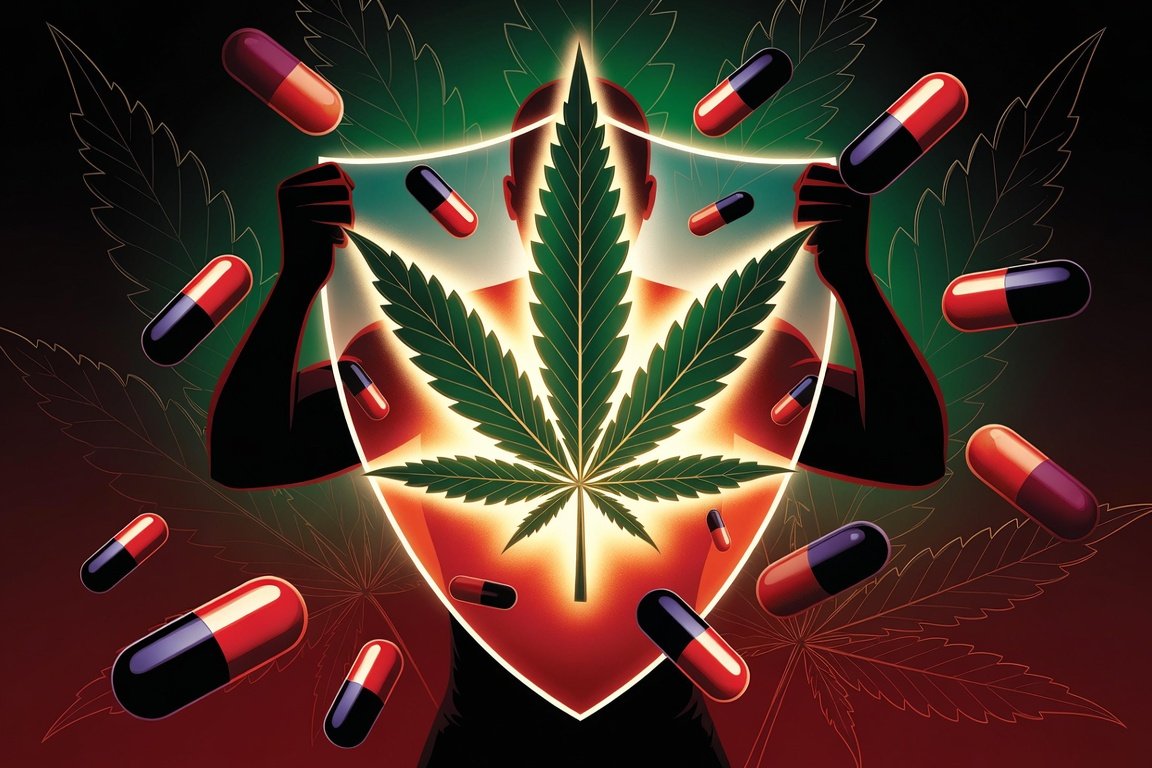
The modern competitive stage continues to demand extreme output, frequently resulting in cellular strain and tissue wear. For decades, the primary currency used to settle these metabolic debts was a heavy-handed rotation of non-steroidal anti-inflammatory drugs (NSAIDs) or, in the darkest corners of professional recovery, the numbing fog of prescription opioids. However, a structural pivot is occurring in the theatre of sports medicine. Cannabidiol is being repositioned as a natural regulator capable of mediating physical trauma safely, providing a therapeutic path that avoids chemical dependency by directly engaging the body’s endocannabinoid framework.
From Chemical Suppression to Biological Harmony
The Death of the Endorphin Hypothesis
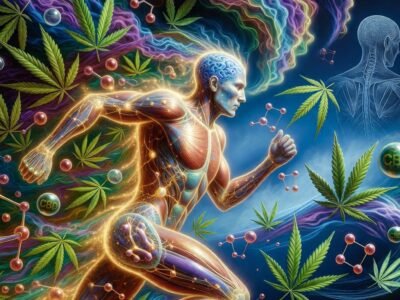
The deep calm associated with intense exercise is no longer credited to endorphins, as those structures are simply too massive to penetrate the central nervous system. Instead, lipophilic molecules like anandamide regulate this state, functioning as a primary homeostatic defence. This discovery has repositioned the ECS as the master conductor of homeostasis, responsible for regulating food intake, energy balance, immune response, and the perception of pain. By targeting these pathways, athletes are discovering they can manage pain not by dulling their senses, but by supporting the very system evolution designed to keep cursorial mammals in motion.
The Molecular Shield of the Vanilloid Receptor
The global scientific validation confirming that pure CBD lacks abuse potential or cognitive interference has changed the sport-science paradigm. On a cellular level, CBD acts as a “negative allosteric modulator” that inhibits the enzyme fatty acid amide hydrolase (FAAH), which in turn boosts the body’s natural levels of healing anandamide. Furthermore, it interacts directly with TRPV1 pathways and blunts the NF-kB cascade to manage inflammatory cytokines. This sophisticated interaction allows for a reduction in inflammation without the suppression of the immune response that can limit long-term training adaptation – a common side effect of traditional steroids and the chronic use of NSAIDs like ibuprofen.
The Institutional Bet: Clinical Evidence and Professional Pivots
The NFL’s Multi-Million Dollar Gamble on Green Recovery
The most compelling evidence of this botanical revolution is found not just in the laboratory, but in the professional boardroom. The NFL has proactively funded research with academic groups to investigate cannabinoids as an alternative to addictive pain management tools. This matches earlier moves by the NBA and MLB, which integrated approved botanical partners into their wellness structures. These leagues are responding to a cultural and legal tidal wave where iconic athletes have traded their jerseys for executive chairs, advocating for a future where plant medicine is as common as a post-game ice bath.
CBD versus the Numbing Fog: A Head-to-Head Clash
The anecdotal whispers of the locker room are now being validated by rigorous data published in journals such as Sports Medicine Open and Nutrients. Clinical literature confirms that CBD functions as an effective agent for managing general inflammation and mitigating muscle soreness without generating gastrointestinal issues or renal stress. However, head-to-head performance claims in sports medicine remain highly nuanced; while CBD successfully eliminates the severe stomach irritation and organ stress commonly caused by prolonged over-the-counter anti-inflammatories, traditional NSAIDs like ibuprofen remain uniquely powerful acute pain-blocking agents due to their direct and non-selective inhibition of cyclooxygenase enzymes. Additional clinical monitoring of endurance runners demonstrates that targeted cannabinoid use swiftly lowers markers of muscle tissue damage, like creatine kinase, following major athletic events.
The Purity Paradox and the 150-Nanogram Tightrope
The Adipose Reservoir and the Gendered Response
As we move toward sex-informed dosing, biological differences in body fat distribution and hepatic enzyme expression are emerging as critical variables. Because cannabinoids are highly lipophilic, they are rapidly sequestered in adipose tissue, which acts as a slow-release reservoir. Since females naturally possess a higher percentage of body fat, they often maintain detectable levels of CBD and its metabolites in their plasma for a significantly longer duration. While pharmacokinetic models dictate that these fat-soluble compounds store deeply in adipose tissues and leak slowly back into the bloodstream over extended periods, the development of precise sex-informed dosing protocols and definitive tracking of accumulation in female athletes remains a growing area of active clinical monitoring rather than a finalised anti-doping standard.
The Hidden Contaminant Trap: Ethics and Strict Liability
Despite its therapeutic value, the market’s current structural inconsistency presents major traps under anti-doping regulations. Because a high percentage of online options fail independent testing by hiding psychoactive contaminants, competitors operate under extreme risk. Under the World Anti-Doping Agency (WADA) code, an athlete is responsible for every molecule in their system, regardless of what the label says or the manufacturer promises. For the high-performance competitor, the “ND” (Not Detected) label on a Certificate of Analysis is the only true currency, as even trace contamination can trigger a violation under the in-competition THC threshold of 150 ng/mL.
Conclusion
The shift toward botanical recovery is fundamentally redefining how sports medicine approaches persistent pain. While the science of cannabinoids in sport is still in its relative infancy, the current trajectory suggests that the future of pain management will be defined by the intelligent application of plant chemistry to achieve biological harmony. The athlete of today is no longer just a machine to be driven until it breaks; they are a sophisticated system that requires a master conductor to maintain the delicate balance between effort and ease. In this quiet revolution, the answer to the opioid crisis may finally be found in a dropper of pure, batch-tested extract – a botanical pivot helping the world move with a little more grace and a lot less grind.