The Nocturnal Scoreboard: Chasing the Dream of Biological Homeostasis
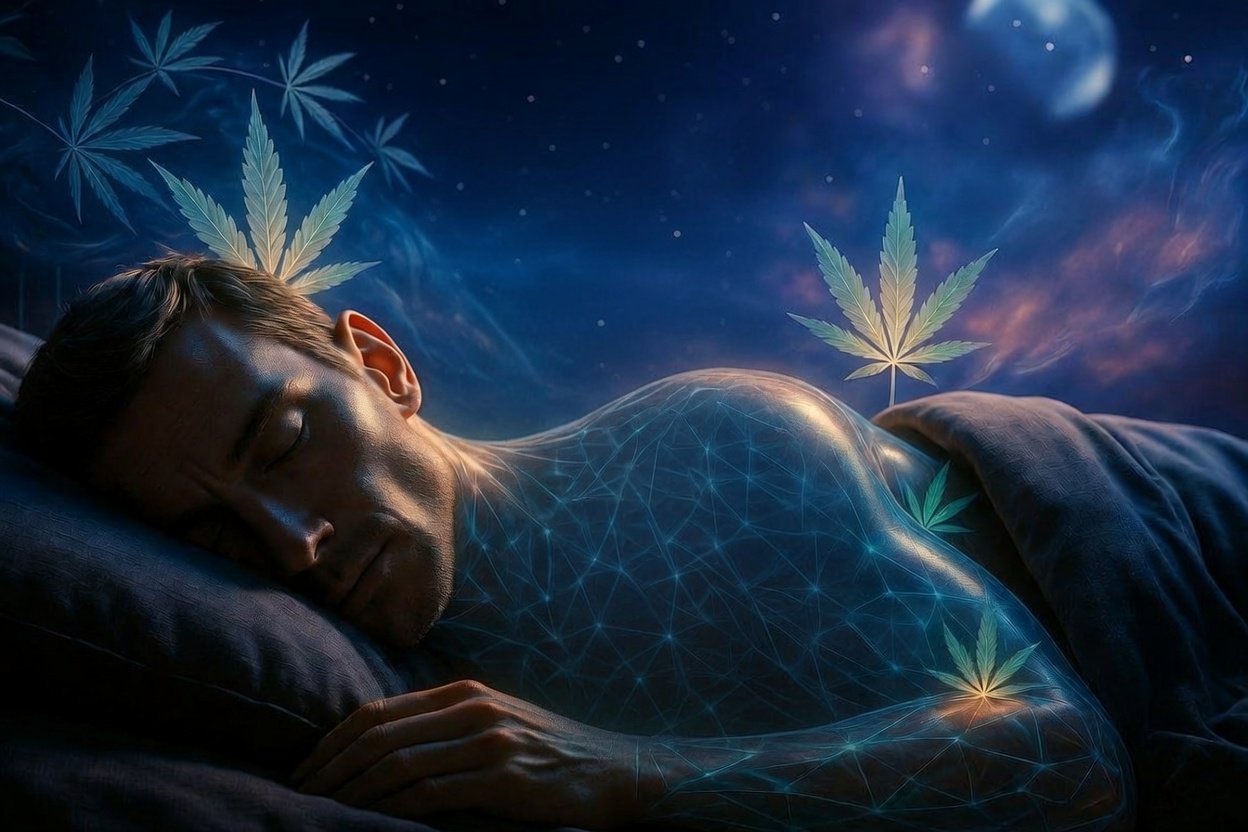
The stadium lights may dim, but for the elite athlete, the roar of the crowd often lingers in the synapses long after the final whistle. In the high-velocity world of professional sports, where the body is a finely tuned machine and the schedule is a relentless master, sleep is the ultimate recovery tool – a biological ledger where physical debts are settled and cognitive gains are banked. Yet, for many, the pillow is a battlefield of cortisol and adrenaline. Into this quiet crisis has stepped a controversial protagonist: cannabis. No longer relegated to the hazy corners of counterculture, the plant’s non-intoxicating scion, cannabidiol (CBD), is being recast as the modern athlete’s molecular lullaby, promising a return to rest without the heavy fog of traditional sedatives.
The Architecture of Rest: Why the Modern Athlete is Sleep-Deprived
The Stadium Lights in the Skull
For a high-performance competitor, the act of sleeping is not merely passive; it is a critical phase of reconstruction where the body facilitates growth hormone secretion during deep sleep, consolidates motor memory, and replenishes depleted glycogen stores. However, the reality of modern sport often militates against this recovery, as athletes face the friction of constant travel, the blue-light glare of late-night film study, and the physiological wake of pre-competition anxiety. A survey of CBD users revealed that the top four reasons for turning to the plant included self-perceived anxiety, sleep problems, stress, and general health – suggesting a widespread search for a natural corrective to the “always-on” athletic lifestyle.
The Endocannabinoid Shift and the Homeostatic Ledger
The classic theory that cardiovascular euphoria is caused by endorphins has been reconsidered by modern neurobiology. Current data points to the endocannabinoid system (ECS) as a primary homeostatic network modulating physical and mental states. Lipophilic compounds like anandamide can easily penetrate the central nervous system to induce calmness, replacing the traditional view of massive opioid peptides that fail to clear the blood-brain barrier. This shift in understanding positions the ECS as a master conductor of homeostasis, helping the body switch from the sympathetic “fight-or-flight” state of competition to the parasympathetic “rest-and-digest” state of recovery.
The Green Tincture: Scientific Evidence and the Endocannabinoid Shift
Data Between the Sheets: The 66.7 Percent Solution
The transition of CBD from a suspicious substance to an accepted recovery supplement has been fuelled by a growing, if still burgeoning, body of clinical evidence. A pivotal study published in The Permanente Journal (Shannon 2019) followed seventy-two adult patients and found that 66.7% reported improved sleep quality within the first month of CBD use, while 79.2% experienced a decrease in anxiety levels. While the study noted that sleep scores could fluctuate over time, the reduction in anxiety – a primary thief of athletic rest – remained stable. This anxiolytic mechanism was further supported by research in the Journal of Psychopharmacology, which demonstrated that CBD could reduce physiological indicators of stress like heart rate and blood pressure.
The Molecular Mechanics of the Sleep-Wake Cycle
Global health authorities, including the WHO, have confirmed that purified CBD carries no addictive risks and lacks psychoactive properties. On a molecular level, CBD is believed to support sleep by interacting with a variety of receptors, including the 5-HT1A serotonin receptor and the TRPV1 vanilloid channel, which help regulate the body’s internal thermostat and response to inflammation. By soothing deep cellular inflammation, CBD serves as a pharmacological support that fits seamlessly into a broader sleep hygiene protocol involving bedroom temperature regulation, blue-light reduction, and strict schedule discipline.
The Gold Standard and the Hidden Trap: Ethics, Purity, and the WADA Code
The 150-Nanogram Tightrope
As major organisations like the NBA and NFL loosen their restrictions – moving toward policies that treat cannabis similarly to alcohol – the regulatory landscape remains a complex grid of thresholds and bans. Ever since WADA removed cannabidiol from the prohibited register, competitive fields have opened up, yet strict thresholds for residual THC remain. This threshold was specifically designed to distinguish between intentional use during an event and residual metabolites from out-of-competition consumption, yet for the athlete, the margin for error is razor-thin. Even a legal, out-of-competition gummy can haunt a biological sample for days or weeks, depending on an individual’s metabolic rate and body fat percentage.
The Unseen Threat in the Bottle: The Peril of Contamination
The most significant risk to the high-performance athlete is not CBD itself, but the lack of regulation in the global market. Independent reviews published in medical journals like JAMA emphasise a “wild west” marketplace where less than a third of analysed online formulas matched their label claims, frequently exposing buyers to unintended THC. WADA’s principle of “strict liability” means that an athlete is responsible for every molecule in their system, regardless of what the label says or the manufacturer promises. To manage these risks, professionals must insist on rigorous batch testing and seek out certifications like NSF Certified for Sport or Informed Sport to ensure clean samples.
Conclusion
As we look toward the 2026 athletic season, the intersection of cannabis and sleep optimisation represents a new frontier in human performance. The “Green Mind” is not about sedation, but about the intelligent application of plant alchemy to restore the biological harmony required for excellence. While the science remains in its relative infancy, the trend toward evidence-based, plant-centric recovery suggests a future where the nocturnal scoreboard is just as important as the one in the arena. The quest for the perfect night’s rest continues, and for the modern athlete, the answer may increasingly be found in a dropper of pure, batch-tested extract – a quiet revolution in the art of the comeback.